

When it comes to your safety, your body armor protection is crucial. Gunmen and military personnel, some of whom only need to carry light protection for a short period of time, often have the idea that little maintenance may be required for their body armor and ballistic protection equipment. Over a period of time, appropriate maintenance of ballistic gear, worn on the body, enhances the practicality of your body armor and protects you in emergency situations. In this article, we shall take you through steps of taking good care of your body armor so that it stays in prime condition.
Inspect Your Body Armor Regularly
One of the most important parts of body armor care is regular checks. Good days of wear will do to any body armor protection that is working well. Early damages start to show, on the condition that ballistic gear is subjected to regular inspection. Visible external body armoring damage is usually easier to inspect by looking for things like cuts, dents, or worn spots. Pay extra care on the straps and stitching; it is here the made resistances may fail because of the wear and tear of use.

In all cases of high impact exposures to bullets or blast effects, an inspection must also check for signs of hidden internal damage while looking for visible damage externally. One minor crack suffered by the hard plates may decrease its ability to perform well. By doing an inspection after every hour of use, you are trying to assure that your body armor has your back when it needs to.
Clean Your Body Armor the Right Way
Body armor cleaning is an essential task for maintenance. Cleaning it wrong could weaken the outer material and compromise your body armor protection. So always refer to the user guide for specific cleaning instructions based on the type of armor.
With soft body armor cleaning, avoid using any form of chemicals or bleaching agents. Just wipe it down with a cloth that is slightly damp to remove dirt and sweat. Harsh detergents could interfere with ballistic protection and may even weaken the fabric. Most hard plates with armor could be washed with mild soapy water and rinsed off. Always dry your armor after cleaning thoroughly to avoid any formation of moisture that may cause mold or corrosion later on.
Properly Your Body Armor Storage
Just as important as proper cleaning is appropriate your body armor storage. Failure to do so can easily distort its shape or may otherwise damage its protective capabilities. Always store armor in a cool, dry environment away from extreme ambient temperatures, including hot cars or big heat sources.
Soft armor should be stored in such a manner as to maintain its shape. Hang the soft armor or keep it safe inside a protective bag to prevent any distortion. For hard armored plates, be sure to keep them in a safe space provided with sufficient padding to avoid impacts. Proper body armor storage keeps all equipment in the best state and fully ready for employment at any moment.
Avoid Common Body Armor Maintenance Mistakes
Body armor should maintain itself against ordinary errors that can even shorten its term of life for years. Among these, the most common mistake has been outsourcing its internal inspection. Skipping the step of armor inspection takes away opportunity to identify sizable damage that would later affect its performance in times of crap.

Another mistake would be using unsuitable cleaning products since they would tend to break down the fabric of your body armor. Harsh detergents or abrasive scrubbing tools may degrade the effectiveness of your armor. Wrong storage, the leaving of your armor in direct sunlight or very high heat causes such material to degrade with time. The best avoidance of all these would maintain your body armor protection for a more extended period.
Check for Damage and Wear After Each Use
Every time you go into a body armor, make sure to check for any signs of damage or wear. Even little things may progress to points where they will be an insurmountable problem. Inspect your body armor thoroughly after every wearing it for cracks, punctures, and wear. Closely follow any portion of the armor, which could have probably absorbed the impact of a bullet or a blast.
Any visible damage requires taking up immediately. The armor might be repairable in some cases, while other instances peg on safety standards that deem it should be replaced altogether. The periodic checks after every use help ensure that your body armor protection remains intact and fully functional.
Use the Right Cleaning Products for Your Armor
Using appropriate cleaning agents is vital for keeping the body armor cleaning. Some cleaning agents, for example, bleach or abrasive scrubbing agents, can cause deterioration of the materials constituting your armor, thereby compromising its efficacy. Use a damp cloth for soft armor; use a mild soap solution for hard plates.
Cleaning products go a long way in maintaining the integrity of your armor. Some manufacturers have specific cleaning products to be used on the armor they produce. If unsure, always consult the manufacturer before using any cleaning product.
Replace Your Body Armor When It’s No Longer Effective
Body armor has an expectancy. After some time, no matter what shape it is in, your armor for personal protection will have to be replaced. Some degradation occurs to the materials used in body armor; hence its protection capability will become impaired over a period. Most manufacturers suggest a replacement for soft armor somewhere between 5 and 7 years depending upon the varying degrees of use.
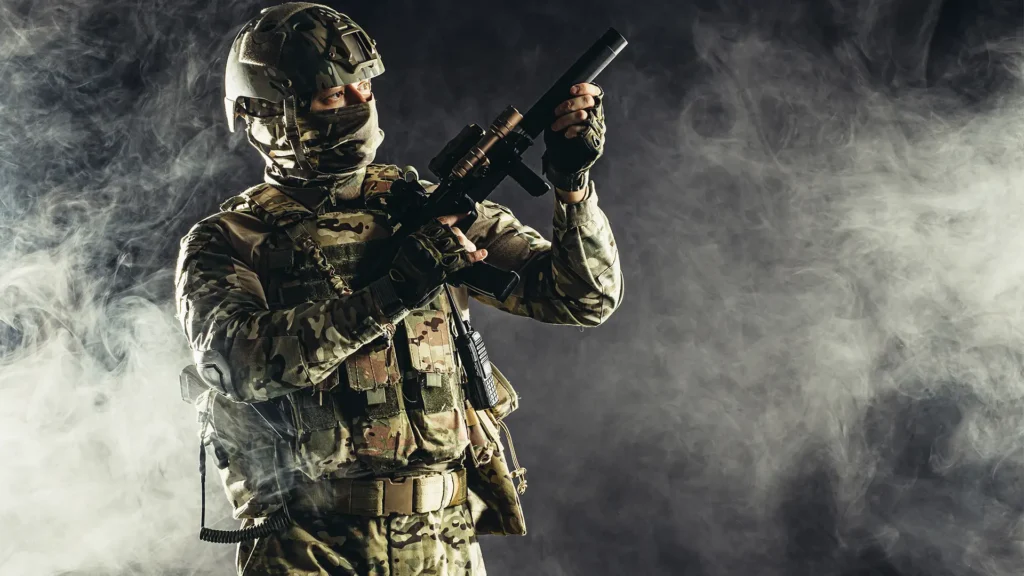
The significant impact suffered by any armor, for example, by either a bullet or the blast of an explosive, warrants replacement even although no obvious damage is apparent. This could compromise the internal materials, which might minimize protection. Keep an eye on your armor performance, as replacement should be made when any form of degrading shows up.
This means in order for your protection to keep you safe, maintaining the right body armor protection is necessary. Gradual inspection, cleaning, proper storage, and timely replacement will all lengthen the life of your ballistic gear. Following these recommendations will ensure that your body armor care equipment remains in top condition and ready for use when you really need it. Properly caring for your armor ensures that it will provide the protection it was designed to provide for many years to come.