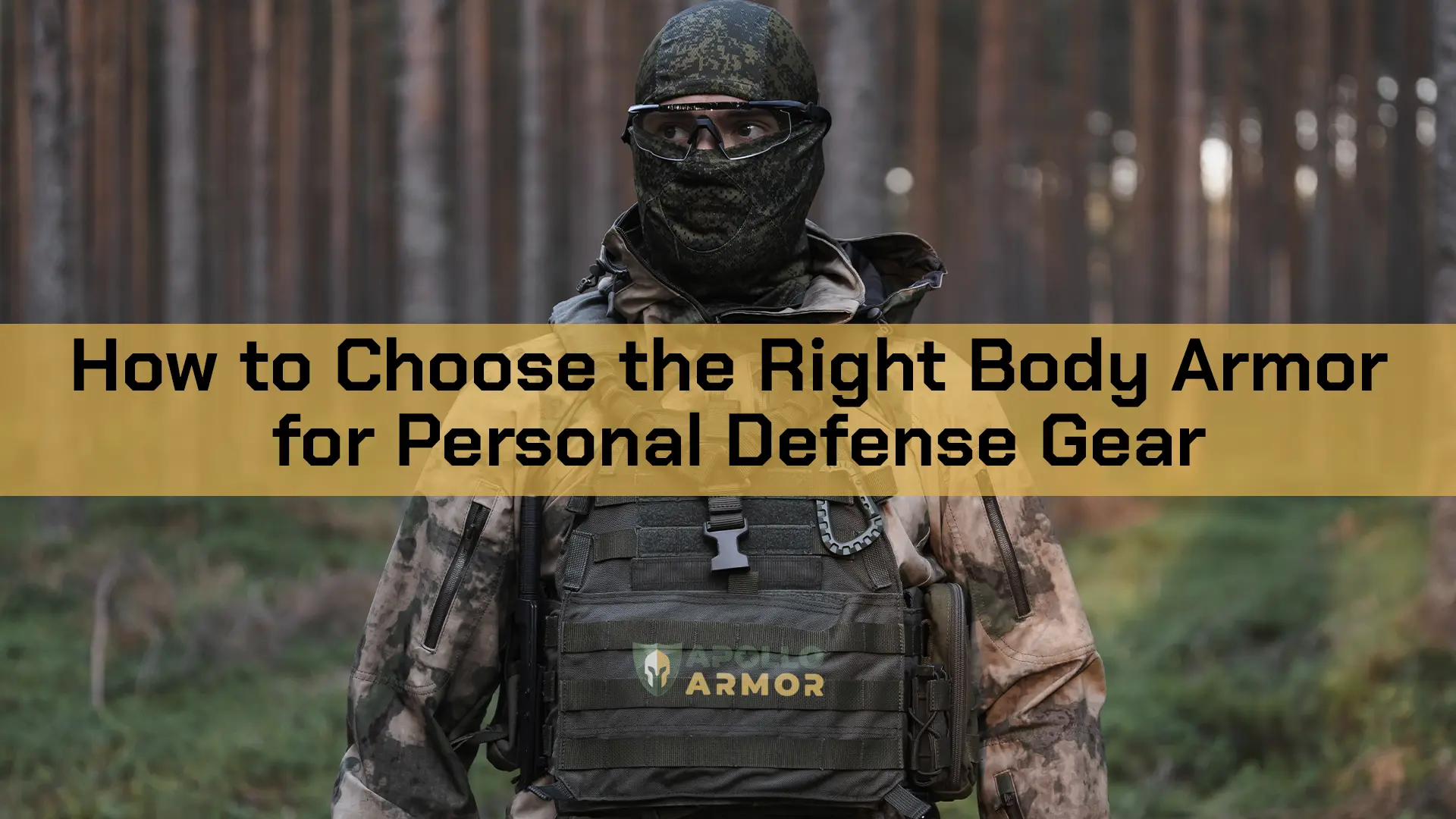
If any concern for safety is paramount in one’s consideration, personal defense gear would then stand among the topmost investment options. Whether a layman wishes for something extra to protect himself or whether it is one who may have to work in hazardous conditions, the right body armor will make all the difference. But as plenty of products are present in the market, it can be a nightmare to make a choice. Here are all the relevant details needed to choose the most suitable one according to your needs.
What is Personal Defense Gear and Why Do You Need It?
In simple terms, personal defense gear refers to equipping oneself with different things that ensure safety against threats such as firearms, knives, and any physical attacks. While there are law reliant and military personnel who wear their body suits every day, civilians have realized the importance of getting armor for themselves. Rising concerns over crime and personal security also make finding the right body armor guide extremely important nowadays. It does not matter if you need bulletproof vests for your daily routine or something heavier for the emergency; the right gear guarantees peace of mind and safety for you.
Understanding the Different Types of Body Armor
As with all sorts of body armor, each category has its specific shortcomings and strengths. These three types can be broadly divided into soft, hard, and hybrid. Soft armors generally consist of flexible, lightweight, and usually Kevlar made fabrics. They would reasonably protect against handguns and small caliber fire. However, hard armors are made of some hard stuff, like steel, ceramics, or polyethylene, since they have to be proportionally thicker to stop relatively larger caliber bullets; pretty much the complete opposite of the soft armor. Hybrid armor, on the other hand, can be said to fall somewhere in between in terms of weight and flexibility. Learning the interdisciplinary differences between these systems would allow for a better understanding of the different types involved in your specific situation and allow for better decision making when it comes to body armor you would need to purchase for your security and defense.
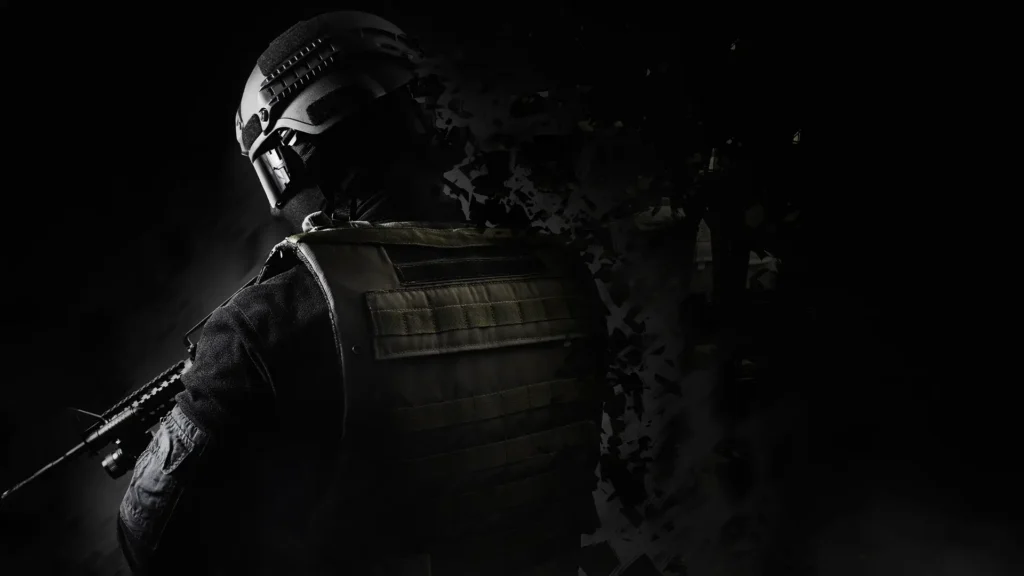
Soft armor would be appropriate for a person looking for discreet and relatively comfortable gear, for example, security personnel, civilians intending to wear this on a normal working day. On the other hand, hard armor would be most appropriate for those exposed to threats of a rifle type such as law enforcement personnel or people in high risk environments. Hybrid armors would be best suited for those people who are looking for intermediate grade armors, beefier than soft body armors but not that heavy associated with fully hard body armors.
How to Choose the Best Bulletproof Vests for Personal Defense Gear
Choosing a bulletproof vest is dependent on three things: comfort, coverage, and protection level. A good vest should give a decent compromise right between protection and movement, allowing for free movement all while staying safe. Knowing the NIJ (National Institute of Justice) ratings for that particular vest is imperative since they indicate the level of ballistic protection afforded; common vests used at this time include Level II and Level IIIA vests, brightly clothing more protection in wearing vests considered Level III and Level IV offer protection against some heavy rifles.
Comfort is equally as important as protection. A vest that is too heavy or bulky feels completely impractical and uncomfortable after a few hours. The good news is that modern vests are coming in lightweight materials, making them easy to wear while still offering very high protection. Look out for comfort features such as moisture wicking fabric, adjustable straps, and ergonomic design, as these will ensure that the vest sits well on the body.
Which Body Armor Options Are the Best for Civilians?
When it comes to finding the best body armor for civilians, lightweight and concealable vests are usually the top choices. Unlike military folks, civilians seldom need heavy durability armor, so soft armor vests rated at Level II or IIIA are great options. Good protection, but totally discreet and comfortable, is what these vests provide. For those who want the flexibility of upgrading the protection when needed, they can use plate carriers with removable plates.
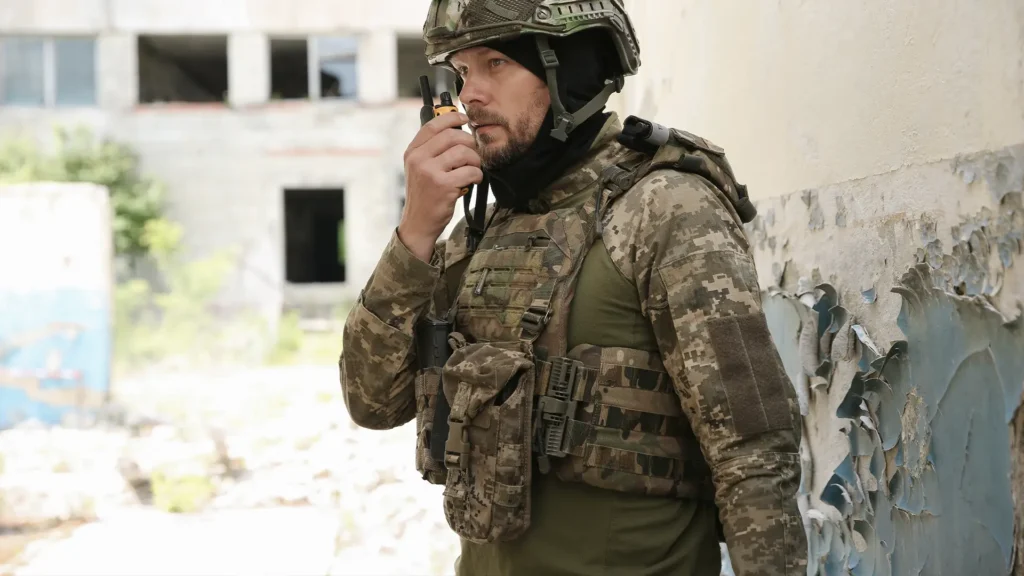
Also, ease of use is important. Since civilians are rarely put through tactical training like law enforcement, body armor needs to be easy and quick to don. Many brands now offer vests with quick release systems for easy removal. Some multi threat vests offer protection from stabbings and spike attacks as well and in certain situations.
How to Choosing Body Armor Based on Threat Level?
In shield selection, the level of anticipated threats should be the guiding consideration. If the primary threat is from common handguns, then a soft armor vest rated below Level III A in NIJ standards should suffice; however, where higher threats from rifles are present, a hard armor plate with a higher NIJ rating becomes necessary. Choosing body armor starts in a particular situation, weighing considerations of risk, then finding a vest that strikes a balance between the three rather conflicting factors of protection, comfort, and mobility.
Another consideration would be regarding how detectable your body armor will be. Needing discreet protection for daily wearing implies one would opt for soft armor. If one goes on peaceful expeditions in outback areas where hunting accidents, if not deliberate rifle threats, are common, sturdier protection becomes paramount. With these points taken into account, one can then better justify their choices.
What Are the Legal Considerations When Buying Body Armor?
The first determination in buying body armor is to check with the law in your area. Legally, in the U.S., anybody can own and wear body armor, but laws defer within states. Some states ban armor purchases by or possession of those considered felons. Other states have restrictions on wearing body armor in public. It is vital to check all applicable local and federal laws prior to the purchase of body armor in order to avoid facing any legal consequence or trouble.
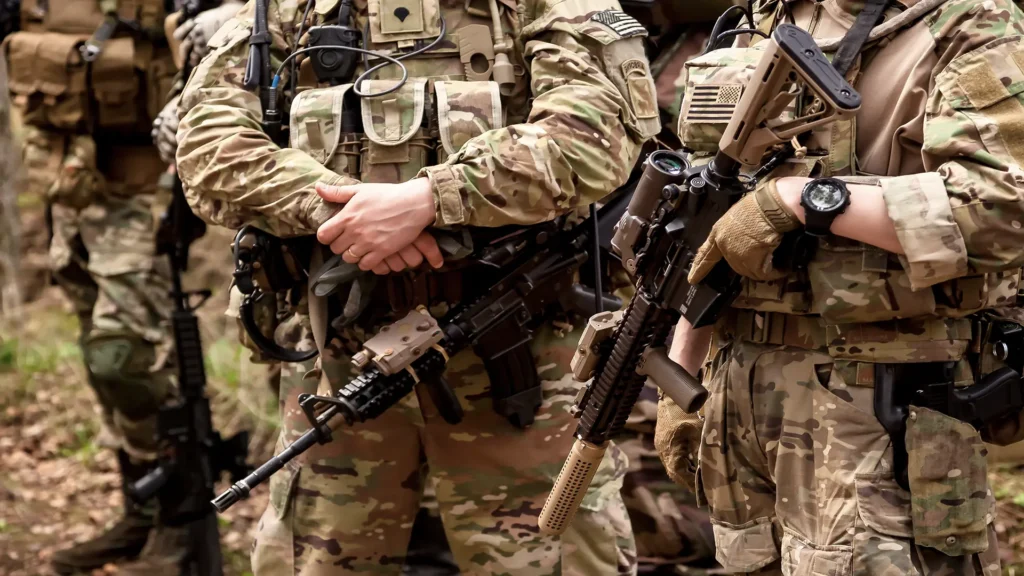
As for the online shops that would sell you body armor, some may require proof for the eligibility before the sale of armor to you. Also, buyers from outside should be aware of import and export laws as some countries heavily restrict or totally prohibit sales or purchases of body armor, personal defense gear, and other related equipment. Knowing these regulations will ensure that any purchase remains both legal and easy.
How to Properly Maintain and Care for Your Body Armor
Proper maintenance of body armor guarantees top performance. Check the armor for wear: cracks in hard plates or fraying in soft armor. Cleaning will be according to the manufacturer’s recommendations; soft armor panels should generally be wiped clean with moderate dampness, whereas plate carriers are often capable of being machine washed. For best durability, store armor in cool, dry places, away from extreme heat and moisture.
By properly maintaining your armor, you extend its life by years, ensuring it can be summoned to duty in times of trouble. Remember, the best personal protection gear will not protect you if it is planned or not well maintained.
Choosing the right bulletproof vests or body armor is more than protection as it needs to fit your lifestyle and keep you safe when it counts. Whether you are looking for a body armor guide, searching for the best body armor for civilians, or genuinely trying to figure out what protection level fits your need, an informed choice will provide assurance and peace of mind. Stay safe, stay prepared, and take time to choose the right equipment for your safety.